CBM Products: Maintenance & Troubleshooting Guide
Daftar Isiexpand_more
This maintenance and troubleshooting guide covers CBM electrodes, oil nozzles, water treatment systems, and HVAC fittings—essential for industrial operations across Indonesia. 3G Electric Indonesia provides systematic diagnostics and preventive maintenance intervals to minimize downtime. Orders are invoiced in IDR with delivery to Jakarta, Surabaya, and Bandung within 6–10 business days, including Bea Cukai customs clearance (typically 3–5 days).
CBM Product Categories at a Glance
The CBM catalog available through 3G Electric spans 1,819 products across eight primary categories. Understanding which category a failing component belongs to is the first step in selecting the correct diagnostic path.
| Category | SKU Count | Typical Application |
|---|---|---|
| Air Conditioning | 405 SKUs | HVAC ducting, gas detection, insulation |
| Electrodes | 138 SKUs | Ignition and flame sensing in burners |
| Oil Nozzles | 125 SKUs | Fuel atomisation in oil-fired burners |
| Water Treatment | 98 SKUs | Scale inhibition, corrosion protection, sludge removal |
| Water Heater Parts | 44 SKUs | Heating element support components |
| Cleaning & Descaling | 31 SKUs | Circuit flushing and deposit removal |
| Fittings | 30 SKUs | Refrigerant distribution, flare connections |
| Switches & Thermostats | 24 SKUs | Temperature maintenance and control |
Ignition Electrodes: Diagnostics and Maintenance
CBM electrodes — including the 30-inch (762 mm) ignition electrode wand (SKU ELC14036) with a 3 mm electrode diameter and 6.5 mm porcelain sheath, and the stainless steel electrode L.1m (SKU BLO20104) rated to 600 °C with an internal resistance of 3 mΩ — are consumable components that degrade through carbon fouling, ceramic cracking, and tip erosion.
Common Symptoms
- Burner fails to light on first attempt (intermittent ignition)
- Lockout on ignition sequence with no visible spark
- Weak or wandering spark arc
- Visible carbon deposits or cracking on the ceramic sheath
Diagnostic Procedure
- Isolate the burner from power and fuel before any inspection.
- Remove the electrode assembly and visually inspect the tip for erosion — compare the stamped or printed gap specification against the actual measured gap using a feeler gauge.
- Inspect the porcelain sheath (6.5 mm OD on ELC14036) and any ceramic sleeves (e.g., ceramic sleeve MF IS3 D.INT4.5 LG 62.5 mm, SKU ELC17006) for hairline cracks or carbon tracking paths.
- Measure insulation resistance between the electrode rod and the burner body using a suitable insulation tester — a significantly low reading indicates ceramic breakdown.
- Check the high-tension lead and connector for moisture ingress or chafing.
- Restore power and observe the spark quality through the inspection port if available; a healthy spark is sharp, blue, and consistent.
- If spark is absent or weak after confirming cable integrity, replace the electrode assembly.
Preventive interval: Inspect electrodes at every annual burner service; replace whenever the tip gap exceeds the OEM-stamped tolerance or ceramic damage is visible.
Oil Nozzles: Diagnostics and Maintenance
CBM Fluidics nozzles — such as the Fluidics 2.00 45° HF (SKU FLU15020, EN 293, hollow spray, 16.6 kW thermal output, 0.84 kg/l fuel density) and the Fluidics 25.00 45° SF (SKU FLU05043, solid spray, 92% efficiency, 3.4 cSt viscosity, 10 bar pressure test) — are precision-machined components where even minor contamination causes measurable combustion degradation.
Common Symptoms
- Sooty flame or elevated CO in flue gas analysis
- Pulsating or noisy combustion
- Oil drips after burner shutdown (nozzle not seating)
- Reduced heat output or longer warm-up times
Diagnostic Procedure
- Shut down the burner and allow the nozzle to cool before removal.
- Remove the nozzle and inspect the orifice under magnification for partial blockage, scoring, or swirl-slot damage.
- Check the stamped spray angle (e.g., 45°) and spray pattern code (HF = hollow, SF = solid) against the burner manufacturer's specification — fitting the wrong pattern causes immediate combustion problems.
- Check the fuel filter upstream of the nozzle; a blocked filter starves the nozzle and mimics a worn orifice.
- Verify pump pressure at the nozzle inlet against the OEM-specified operating range — the Fluidics 25.00 45° SF is pressure-tested to 10 bar; operating outside the design range distorts the spray cone.
- If the orifice is blocked, attempt cleaning only with a soft wooden or plastic tool — never metal probes. If damage is confirmed, replace the nozzle.
Preventive interval: Replace oil nozzles at every annual service regardless of visual condition; nozzle orifice wear is not always visible but affects atomisation quality.
Water Treatment and Heating Circuit Maintenance
CBM water treatment products address the two primary causes of heating system degradation: corrosion and scale. The EUROSPEED fast-acting sludge solvent (10 L, SKU EAU05022) is classified Acute Tox. 2/3, Skin Corr. 1C, Eye Dam. 1 — full PPE is mandatory during handling. The XS TOTAL BIO universal protective coating (1 L, SKU EAU05008) functions as both an anticorrosive and scale inhibitor for heating circuits.
Common Symptoms of Untreated Circuits
- Reduced heat output despite correct boiler firing rate
- Noisy circulation (kettling, banging)
- Pump seizure or impeller wear from magnetite sludge
- Pinhole corrosion leaks in pipework or heat exchangers
Diagnostic and Treatment Procedure
- Take a water sample from the system drain or sampling tap (e.g., 3/8" ball bib-cock, SKU ROB40402, rated to 25 bar and 90 °C) and test pH, hardness, and inhibitor concentration.
- If sludge is confirmed, isolate the circuit and apply EUROSPEED (SKU EAU05022) according to the product dosing instructions — wear full chemical PPE given the Acute Tox. 2/3 and corrosive hazard classification.
- Circulate the solvent for the manufacturer-recommended contact time, then power-flush and drain.
- Refill with clean, conditioned water and dose with XS TOTAL BIO (SKU EAU05008) to establish a protective inhibitor film.
- Re-test water quality after 48 hours of circulation to confirm inhibitor levels are within range.
- Fit or verify a magnetic filter is installed on the return leg to capture residual magnetite.
Preventive interval: Test system water annually; top up inhibitor dose whenever the concentration falls below the product's recommended minimum.
HVAC Fittings and Refrigerant Distribution
CBM DRV distribution fittings — including the E=1"-7/8"-3/4" (SKU RAC52410) and the DRV connector E=1"3/8-1"1/8-7/8" (SKU RAC52418) — are rated to 150 bar and designed for variable refrigerant flow (VRF) systems. The 3/8"-3/8" SAE x ODF flare fitting (SKU RFL02004, hex key 22 mm, wrench size 24 mm) is a common connection point subject to vibration-induced loosening.
Common Symptoms
- Refrigerant loss indicated by oil staining at fittings
- System low-pressure alarms or reduced cooling/heating capacity
- Frost formation at a fitting joint
Diagnostic Procedure
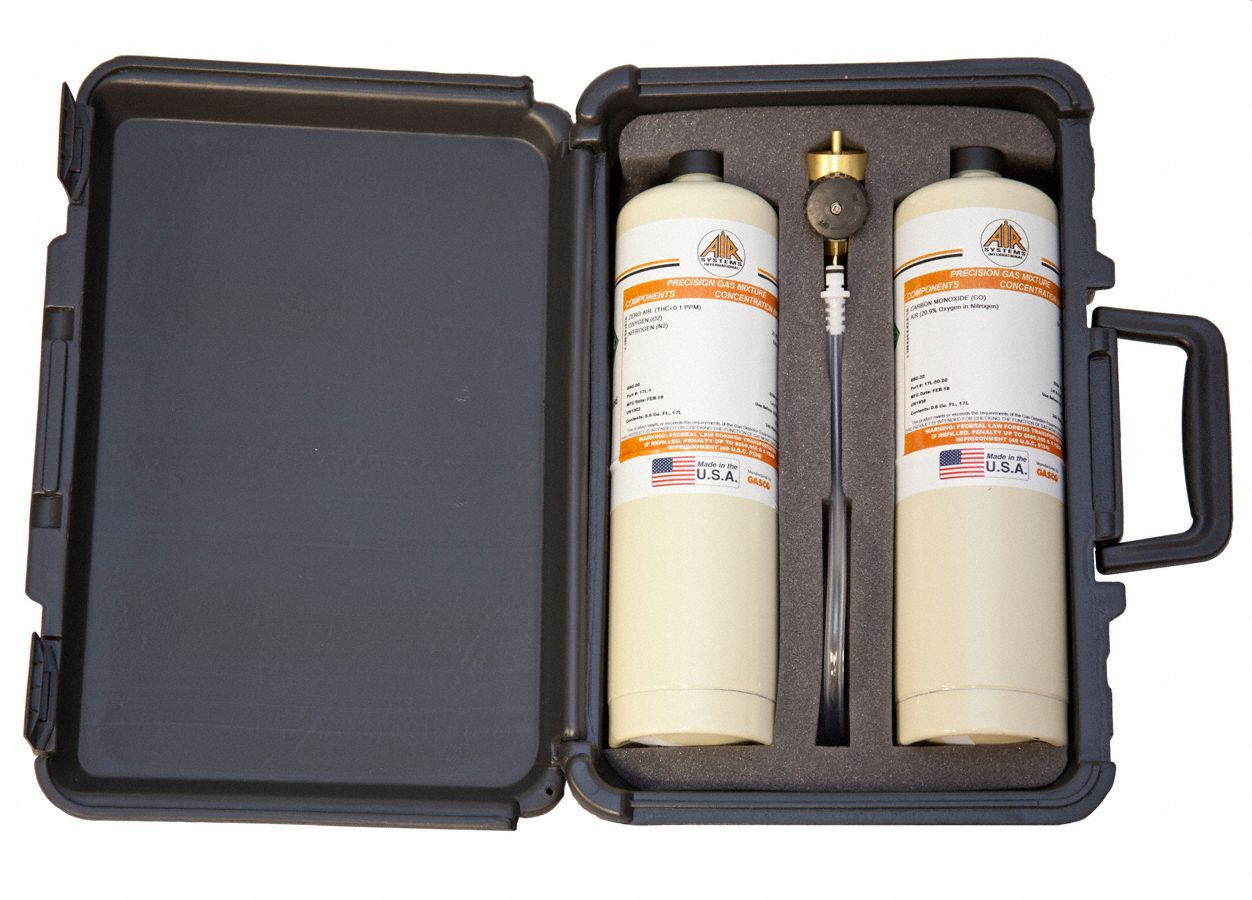
- Use a calibrated electronic leak detector — such as the CBM combustible gas detector EL320 (SKU CLI20202), which detects propane, methane, natural gas, iso-butane, acetone, hexane, and acetylene at sensitivity below 50 ppm — to locate refrigerant leaks at joints and fittings.
- Inspect flare seats visually for ovality, scoring, or incomplete seating caused by incorrect torque during installation.
- Verify that the correct port sizes are matched — DRV fittings are available in multiple size combinations; mismatched ports cause flow restriction and pressure imbalance.
- Re-torque flare fittings to the OEM-specified value using the correct wrench size (24 mm for SKU RFL02004).
- If a fitting body is cracked or a flare seat is damaged, replace the component — do not attempt to re-flare a damaged seat in a high-pressure VRF circuit rated to 150 bar.
Self-Regulating Heating Cable: Maintenance
The CBM self-regulating heating cable K20A500 (SKU FAN22052) is supplied on a 500 m spool, delivers 20 W/m, uses 1.25 mm² conductors, and maintains fluid temperature in pipework. Minimum storage temperature is -20 °C.
- Inspect the cable jacket annually for mechanical damage, cuts, or UV degradation.
- Measure insulation resistance at commissioning and record the baseline — a significant drop on subsequent tests indicates jacket failure.
- Ensure the cable is never overlapped or crossed, as localised overheating can occur.
- Verify end-seal integrity after any pipework modification — moisture ingress at the end seal is the most common failure mode.
Repair vs Replace: Decision Criteria
| Component | Repair Acceptable? | Replace When |
|---|---|---|
| Ignition electrode | No — clean only if lightly sooted | Tip gap out of tolerance; ceramic cracked; annual service |
| Oil nozzle | No — cleaning risks orifice damage | Any blockage, scoring, or at annual service |
| Ceramic sleeve | No | Any visible crack or carbon tracking |
| DRV/flare fitting | Re-torque only if seat is undamaged | Cracked body, damaged flare seat, or confirmed leak after re-torque |
| Heating cable | Splice kits acceptable for minor damage | Insulation resistance below baseline; jacket melted or crushed |
| Ball valve (sampling tap) | Replace PTFE seats if available | Body corrosion; stem packing leaking beyond adjustment |
Frequently Asked Questions
How often should CBM ignition electrodes be replaced?
Replace CBM electrodes at every annual burner service, or immediately if the tip gap exceeds the OEM-stamped tolerance, the ceramic sheath shows cracking, or insulation resistance has dropped significantly. Electrodes are low-cost consumables — delaying replacement risks nuisance lockouts and combustion faults.
Can I clean a CBM oil nozzle instead of replacing it?
Cleaning is not recommended. The precision orifice and swirl slots in CBM Fluidics nozzles can be permanently damaged by metal tools. If a nozzle is blocked or shows wear, replace it. Annual replacement is best practice regardless of visual condition, as orifice wear affects atomisation quality before it becomes visible.
What PPE is required when using CBM EUROSPEED sludge solvent?
EUROSPEED (SKU EAU05022) carries Acute Tox. 2, Acute Tox. 3, Skin Corr. 1C, and Eye Dam. 1 hazard classifications. As a minimum, wear chemical-resistant gloves, a face shield, and appropriate respiratory protection. Always consult the product Safety Data Sheet before handling.
What gases does the CBM EL320 combustible gas detector detect?
The EL320 (SKU CLI20202) detects propane, methane, natural gas, iso-butane, acetone, hexane, and acetylene at a sensitivity below 50 ppm. It uses two AA alkaline batteries with an 11-hour battery life and has a 300 mm probe length and a reset time of 5 seconds or more.
What is the maximum pressure rating of CBM DRV distribution fittings?
CBM DRV distribution fittings — including SKU RAC52410 and SKU RAC52418 — are rated to a maximum pressure of 150 bar, making them suitable for high-pressure variable refrigerant flow (VRF) HVAC systems. Always verify port size compatibility before installation.
How do I confirm the correct spray pattern for a CBM Fluidics oil nozzle?
Check the code stamped on the nozzle body: HF indicates a hollow spray cone, SF indicates a solid spray cone. Match this to the burner manufacturer's specification. The spray angle (e.g., 45°) is also stamped. Installing the wrong pattern causes immediate combustion inefficiency and elevated emissions.
How should CBM self-regulating heating cable be stored?
The K20A500 heating cable (SKU FAN22052) must not be stored below -20 °C. Store on its original spool in a dry location away from UV exposure and mechanical damage. Always record the insulation resistance at commissioning to establish a baseline for future condition monitoring.
Are CBM products available for international procurement?
Yes. CBM products across all 1,819 SKUs in the 3G Electric catalog are available to order for global delivery. Lead times are confirmed at quotation. 3G Electric manages logistics and customs clearance for international shipments.