Gas Regulator Low Pressure: Complete Buyer's Guide for Indonesia
Daftar Isiexpand_more
What Is a Gas Regulator Low Pressure?
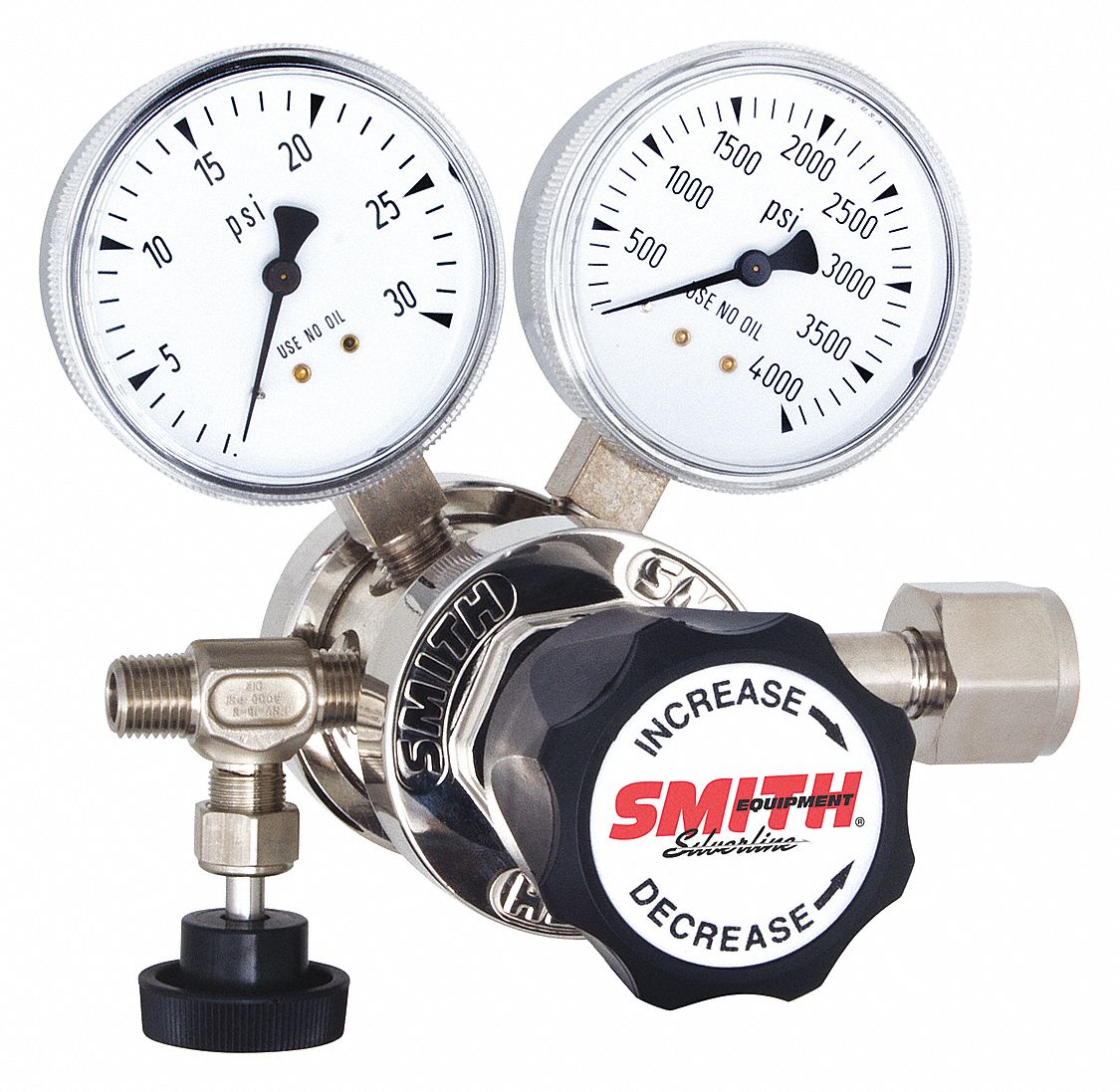
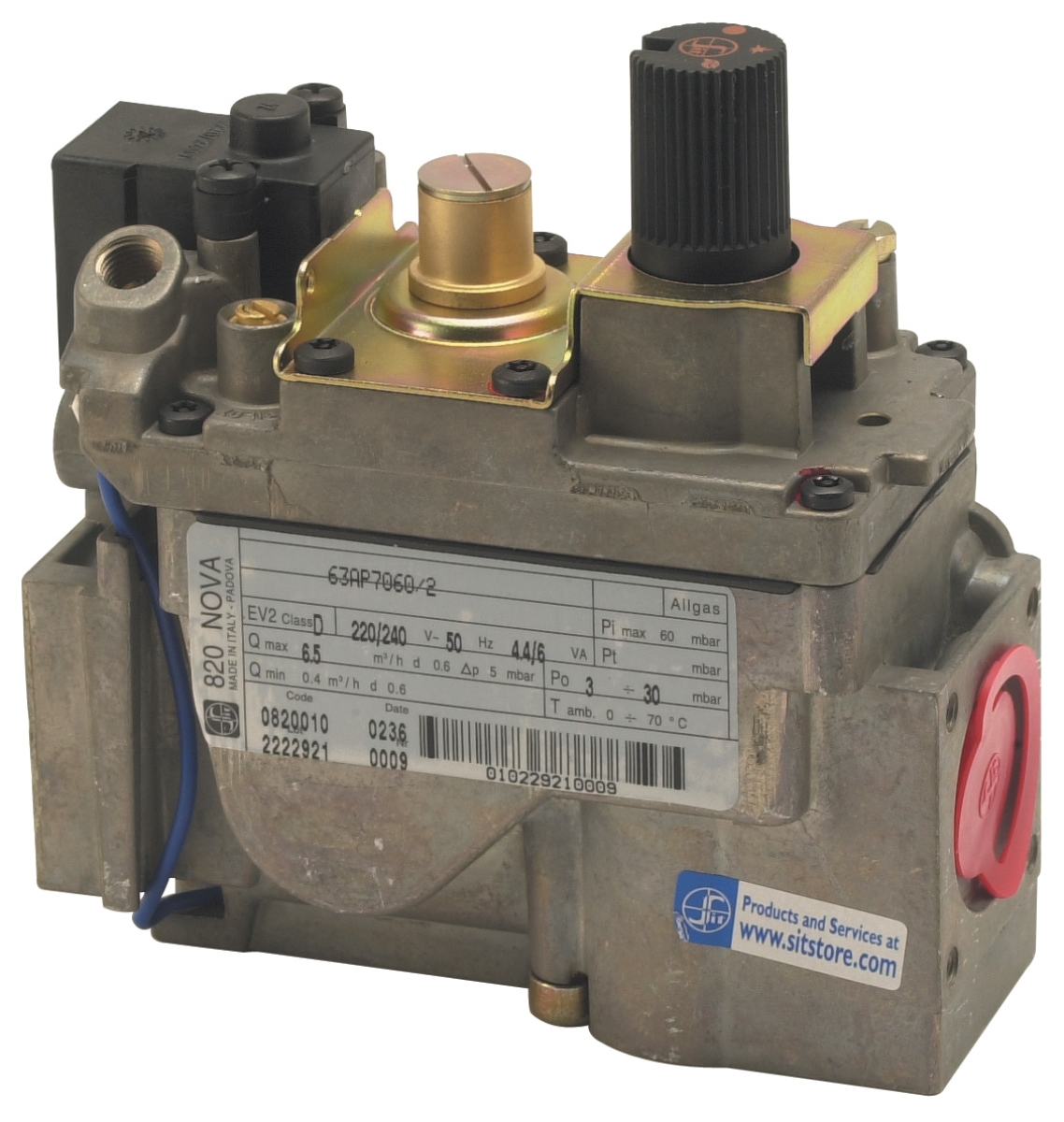
A gas regulator low pressure is a control device that reduces and stabilizes gas pressure from a supply line (typically 20–100 mbar inlet) to a fixed, lower outlet pressure—usually between 0.4 and 3 mbar. These regulators are fundamental components in commercial kitchens, industrial furnaces, laboratory burners, and heating systems across Indonesia. SIT, Elektrogas, and Dungs are industry-standard manufacturers; 3G Electric has supplied Indonesian facilities with these brands for over 35 years, with authorized distributor status for all major OEMs.
How Low-Pressure Regulators Work
Low-pressure regulators operate on a pressure-balancing principle: a spring-loaded diaphragm or piston responds to downstream pressure changes, opening or closing an internal valve to maintain setpoint. When outlet pressure rises above the setpoint, the valve restricts gas flow; when it drops, the valve opens. This creates stable, repeatable outlet pressure regardless of inlet variations—critical for burner flame stability and safety in commercial and industrial environments.
Key Specifications & Selection Table
| Specification | Typical Range / Example | Notes |
|---|---|---|
| Inlet Pressure | 20–100 mbar | Gas supply line pressure; must exceed outlet setpoint |
| Outlet Pressure (Setpoint) | 0.4–3 mbar | Defines burner flame height and combustion stability |
| Connection Size | G 1/4″, G 1/2″, DN15–DN25 | Thread type (NPT or BSP); must match supply piping |
| Flow Capacity | 5–100 m³/h (Natural Gas) | Dependent on regulator size and type |
| Adjustment Range | ±10–15 % of setpoint | Fine-tuning capability for flame optimization |
| Operating Temperature | –10 °C to +60 °C | Environmental compliance; stainless variants for high-temp |
Types, Brands & Applications in Indonesia
- Diaphragm Regulators (SIT, Elektrogas): Spring-loaded diaphragm design; most common for commercial kitchens, pizza ovens, and small-to-medium burners. Compact, affordable, and reliable in humid tropical climates.
- Pilot-Operated Regulators (Elektrogas LMV series): Use a small pilot valve to actuate the main valve; ideal for high flow or industrial furnaces where pressure stability is critical.
- Combined Regulation & Safety Blocks (SIT Sigma): Integrate a regulator, solenoid valve, and safety interlock in one unit. Preferred for unattended industrial systems and compliance with Indonesian safety codes.
- Proportional Electronic Regulators: Allow remote pressure adjustment via 4–20 mA or 0–10 V signal; used in automated catering equipment and laboratory applications.
- Monitoring & Protection: Pair regulators with differential pressure switches ([[PRODUCT:GAZ15022|Dungs LGW 3 A2 0.4–3 Mbar]]) and gauges ([[PRODUCT:ROS30004|Preciman Green ABS D100 0/+1bar]]) to detect filter blockage and maintain system diagnostics.
How to Select the Right Low-Pressure Regulator
- Determine Your Setpoint Pressure: Confirm the required outlet pressure (mbar) from your burner or appliance manufacturer's specifications. Most commercial burners operate 2–5 mbar; laboratory applications may need 0.5–1 mbar.
- Calculate Required Flow: Estimate total gas flow (m³/h) at full load. A typical 4-burner cooktop uses 8–12 m³/h natural gas; oversizing the regulator reduces control precision.
- Check Inlet Pressure Availability: Verify that your supply line pressure (measured in mbar) exceeds the setpoint by at least 5–10 mbar. Low inlet pressure reduces regulator responsiveness.
- Verify Connection Compatibility: Match thread size (G 1/2″, G 1/4″, NPT, or BSP) to your existing piping. Mixing thread standards requires adapters, adding cost and leak risk in tropical environments.
- Consider Operating Environment: Humid coastal areas (Jakarta, Batam, Surabaya ports) require stainless-steel wetted parts. Dust-prone locations benefit from integral filters or external protection.
- Plan for Monitoring: Specify differential pressure switches and gauges to detect regulator wear or downstream blockages, extending system life and preventing flame loss.
Featured Products for Low-Pressure Regulation
| Model | Type | Setpoint Range | Connection | Best For |
|---|---|---|---|---|
| [[PRODUCT:BLO05157|SIT Gas block Sigma 0845072]] | Combined Block | 0.5–3 mbar | G 1/2″, G 1/4″ | Industrial furnaces, safety-critical systems |
| [[PRODUCT:ELK46001|Elektrogas Proportional valve LMV21 3/4"]] | Pilot-Operated | 0.4–2.5 mbar | G 3/4″ | High-flow industrial burners, catering kitchens |
| [[PRODUCT:PAC44032|Pactrol Microgas P25F FMV 427001/V12]] | Compact Diaphragm | 1–3 mbar | G 1/4″ | Modular burner systems, retrofit installations |
| [[PRODUCT:GAZ15022|Dungs LGW 3 A2 0.4–3 Mbar]] | Differential Pressure Switch | 0.4–3 mbar | Port connections included | Blockage detection, regulator monitoring |
| [[PRODUCT:ROS30004|Preciman Green ABS D100 0/+1bar G1/2"]] | Analog Pressure Gauge | 0–1 bar (0–1000 mbar) | G 1/2″ | System pressure monitoring, field commissioning |
Why Source from 3G Electric?
3G Electric is an authorized distributor for SIT, Elektrogas, Dungs, Preciman, Pactrol, Beck, and CBM—the leading OEM brands for gas regulation in Indonesia. We stock 8+ complementary products, deliver to Jakarta, Surabaya, Batam, and nationwide, manage full import documentation, and provide English-language technical support. With 35+ years serving Indonesian industrial and commercial clients, we understand tropical climate challenges, local installation codes, and rapid-response logistics.
Frequently Asked Questions
- Q: What is the difference between low-pressure and medium-pressure regulators?
A: Low-pressure regulators output 0.4–3 mbar (for burners, laboratory applications); medium-pressure units output 20–100 mbar (for storage cylinders, district gas networks). Low-pressure devices provide finer control and safer flame operation. - Q: How do I know if my regulator needs replacement?
A: If outlet pressure drifts despite adjustment, flame height becomes unstable, or a differential pressure switch alarm triggers, replacement is likely needed. Diaphragm wear is the most common failure mode after 5–10 years of use. - Q: Are low-pressure regulators suitable for LPG and natural gas?
A: Yes—most SIT and Elektrogas models are dual-certified. Always verify the product nameplate; setpoints may differ between gas types due to density variations. - Q: Where do I place the regulator in my gas system?
A: Immediately downstream of the main shut-off valve and filter. Install the regulator on the horizontal pipe (not vertical) to prevent condensate pooling. Use a drip leg upstream to trap moisture in humid tropical climates.
Key Takeaways
- Low-pressure regulators maintain 0.4–3 mbar outlet pressure for stable, efficient combustion in commercial and industrial applications across Indonesia.
- Choose between diaphragm, pilot-operated, and combined-block designs based on flow requirements, safety standards, and space constraints.
- Always verify inlet pressure, setpoint, and thread compatibility before ordering; pair with differential pressure switches and gauges for system diagnostics.
- 3G Electric stocks SIT, Elektrogas, Dungs, and complementary brands with authorized distributor status, nationwide delivery, and English technical support.
Ready to order or request sizing assistance? Contact 3G Electric today. Call, email, or visit our showroom in Jakarta. We'll provide quotes, delivery timelines, and on-site commissioning support for your gas regulation system.