Gas Valves: Selection & Buying Guide
Daftar Isiexpand_more
Selecting the right gas valve for industrial applications requires comparing solenoid, safety, and rapid-response models across pressure ratings, connection types, and activation speeds. This guide provides specification tables, OEM manufacturer references, and sourcing strategies for Indonesian buyers. 3G Electric Indonesia supplies these components with IDR invoicing and handles Bea Cukai customs clearance, delivering to Jakarta, Surabaya, and Bandung within 6–10 business days door-to-door.
What Are Gas Valves?
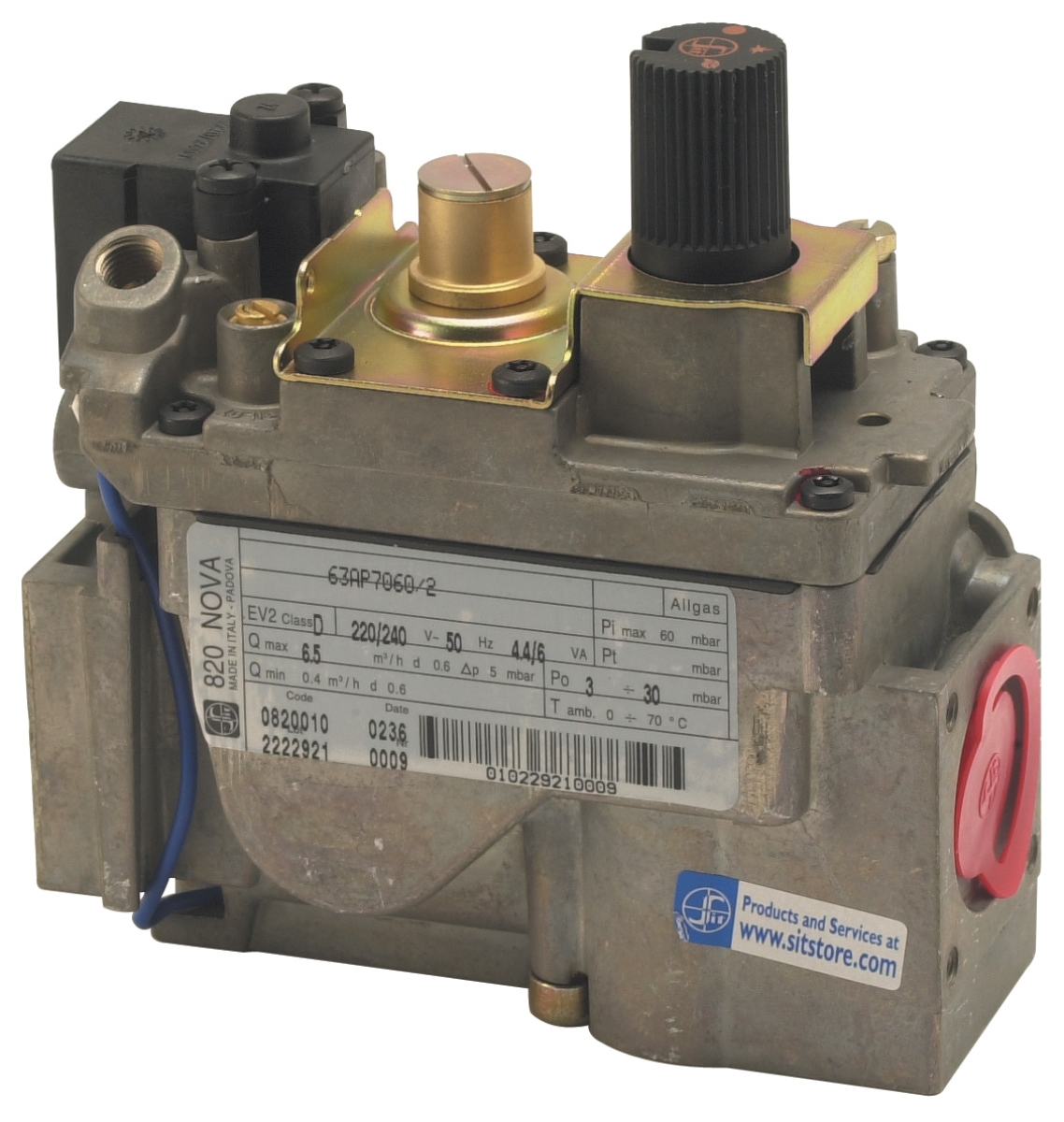
Gas valves are solenoid-operated shut-off and modulation devices installed in burner fuel lines to control gas flow to the combustion chamber. They respond to electrical signals from burner controls, opening on ignition demand and closing instantly on flame loss or shutdown command. In industrial boilers, furnaces and process heaters, gas valves serve two critical functions: safety isolation (preventing unburned gas escape) and flow modulation (adjusting flame intensity for temperature control).
Elektrogas dominates the 3G Electric catalog with 387 gas valve SKUs, covering solenoid types, safety reset variants, and rapid-closing designs for both low-pressure (200–600 mbar) and high-pressure (up to 6 bar) applications.
Main Types of Gas Valves
Gas valves fall into three functional categories:
- Safety solenoid valves (NC – normally closed): Remain shut until energized; close instantly on power loss. Used for main fuel isolation. Manual reset variants require physical button press after a fault to re-enable flow.
- Modulating solenoid valves (slow-opening, fast-closing): Ramp open over 4–25 seconds to avoid pressure shock; close in under 1 second on shutdown. Ideal for proportional flame control and soft starts.
- Rapid solenoid valves (fast-opening and fast-closing): Achieve full flow in seconds with integrated by-pass circuits. Used where quick response and pilot-operated pressure relief are needed.
Key Selection Criteria
Choose a gas valve using these measurable parameters:
- System pressure rating (bar or mbar): Match the valve's maximum pressure to your burner's gas supply pressure. Low-pressure systems (boilers, domestic appliances) use 200–600 mbar valves; high-pressure industrial burners require 6 bar or higher.
- Connection type: Threaded ports (Rp 1/4", Rp 1/2", Rp 1", D1"1/4) suit retrofit installations; flange connections (DN65, DN80, DN100, DN125, DN200) are standard for new-build modular burner packages.
- Voltage and power: 24 VAC/DC coils (20–30 VA) are standard in Europe and Asia; 230 VAC (35 VA) is common in industrial control cabinets. Confirm your burner controller output voltage before ordering.
- Response time: Safety valves close in <1 second; modulating valves open in 4–25 seconds (adjustable). Fast opening suits high-fire demand; slow opening reduces noise and pressure transients.
- Flow capacity (Kvs, m³/h): Ensures the valve does not throttle gas flow at full load. Compare Kvs against your burner's maximum gas consumption at rated pressure.
- Manual reset requirement: Safety solenoid valves with manual reset lock out flow after a fault until an operator presses the reset button—adds a safety layer but requires site access.
Specification Comparison Table
| Model | SKU | Type | Connection | Max Pressure | Voltage | Power | Kvs (m³/h) | Response Time |
|---|---|---|---|---|---|---|---|---|
| Multiblock VMM505AF10 D50 | ELK22033 | Rapid valve + by-pass | D50 | 500 mbar | 230 VAC / 110 VAC / 24 VAC-DC | — | — | Opening 4–25 s (adj.); Closing <1 s |
| Solenoid EVRM 6NC35A | ELK17018 | Safety NC, manual reset | Rp 1/2 | 6 bar | 12 VAC | — | 4.8 | <1 s (closing) |
| Solenoid VML 3-60 | ELK12008 | Modulating (slow-open, fast-close) | Rp 1 | 6 bar | — | 35 VA | 12.0 | Slow opening; <1 s closing |
| EVRM NC 98(S) | ELK15032 | Safety NC, manual reset | DN200 flanges | 600 mbar | — | 35 W | — | <1 s (closing) |
| Solenoid VML0 | ELK10002 | Modulating | Rp 3/8 | 500 mbar | 230 VAC | 20 VA | 2.9 | Soft opening |
| Hydraulic VMH8 | ELK24004 | Progressive-opening hydraulic | DN80 | 500 mbar | — | — | 92.0 | 1 s opening |
| EVRM 6NC7A | ELK17028 | Safety NC, manual reset | Rp 1/2 | 6 bar | — | 12 W | 4.8 | <1 s (closing) |
| Coil 1930.1352 | ELK26156 | Replacement coil (VMR/L) | 3/4"–1" | 200 mbar | 24 VDC | 30 W | — | — |
| VMR 0-60 | ELK07002 | Safety solenoid (fast open/close) | Rp 3/8 | 6 bar | — | 20 VA | — | <1 s both directions |
| EVRM NA 7 | ELK20020 | Safety NC | DN65 flanges | 600 mbar | — | 19 W | — | <1 s (closing) |
Leading OEM Brands
Elektrogas is the primary manufacturer represented in the 3G Electric gas valve portfolio. Elektrogas specializes in solenoid and safety valve technology for burner controls, offering a broad range of pressure ratings (200 mbar to 6 bar), connection styles (threaded and flange), and coil voltages. Their product lines include:
- EVRM series: Safety solenoid valves with manual reset, available in normally-closed (NC) and normally-open (NA) configurations for low-pressure applications (600 mbar).
- VML series: Modulating solenoid valves with adjustable opening ramps (4–25 seconds) for soft-start and proportional flame control.
- VMR series: Fast-response safety valves for high-pressure (6 bar) systems requiring instant shut-off.
- VMM series (Multiblock): Rapid valves with integrated by-pass and pressure relief for pilot-operated applications.
- Replacement coils: Standardized solenoid coils (24 VDC, 230 VAC) for field retrofit of existing valve bodies.
How to Source the Right Gas Valve
Follow this workflow to identify and order a gas valve from 3G Electric:
- Verify burner system pressure: Check the burner nameplate or control schematic for gas supply pressure in bar or mbar. Low-pressure systems (boilers) typically run 200–600 mbar; industrial burners may reach 6 bar or higher.
- Confirm connection size and type: Measure the existing valve port or consult the burner P&ID. Threaded connections (Rp 1/4", Rp 1/2", Rp 1") are common in retrofit; flanges (DN65, DN80, DN100) in modular designs.
- Check control voltage: Identify the burner controller's solenoid output: 24 VAC/DC (most common in Europe) or 230 VAC (industrial cabinets). Mismatched voltage will prevent valve actuation.
- Determine function: For main fuel isolation, select a safety solenoid valve (NC type). For flame modulation or soft-start, choose a modulating valve with adjustable opening time. For pilot-operated systems, consider rapid valves with by-pass.
- Compare Kvs flow capacity: Ensure the valve's Kvs (m³/h) exceeds your burner's maximum gas flow at rated pressure. Undersized valves cause incomplete combustion and flame instability.
- Request a quotation: Contact 3G Electric with the valve model, SKU, quantity and delivery destination. Lead time is confirmed at quotation; the valve is available to order from our global sourcing network.
Common Installation & Maintenance Notes
Gas valves require minimal maintenance but benefit from periodic inspection:
- Cable gland and IP rating: Ensure the valve's cable gland (PG 09, PG 11) matches your control wiring conduit size. IP 54 protection is standard for industrial environments; higher ratings (IP 65) suit washdown areas.
- Manual reset operation: After a safety shutdown, locate the manual reset button (usually a red or black knob on the valve body) and press firmly until it clicks. If the valve does not re-energize, investigate the fault before resetting.
- Coil replacement: Solenoid coils are field-replaceable. If a coil fails (no hum when energized, valve stays closed), order a replacement coil with matching voltage and connection size. Elektrogas coils are available separately (e.g., 1930.1352 for 24 VDC, 1930.1313 for 230 VAC).
- Pressure drop check: Over time, valve orifices may accumulate dust or carbon. If gas flow drops unexpectedly, isolate the valve and inspect the inlet strainer. Clean or replace as needed.
Frequently Asked Questions
What is the difference between a safety solenoid valve and a modulating valve?
Safety solenoid valves (NC type) remain closed until energized and shut instantly on power loss, providing fail-safe isolation. Modulating valves open slowly (4–25 seconds) to avoid pressure shock and are used for proportional flame control. Safety valves suit main fuel isolation; modulating valves suit soft-start and load-following applications.
Can I use a 24 VAC coil on a 230 VAC burner controller?
No. Applying 230 VAC to a 24 VAC coil will destroy the solenoid winding. Always match the coil voltage to the controller output. If your controller is 230 VAC and the valve is 24 VAC, install a step-down transformer or order a replacement coil rated 230 VAC (e.g., SKU ELK26112).
What does "manual reset" mean on a safety valve?
Manual reset valves lock out gas flow after a fault (flame loss, overpressure) until an operator physically presses the reset button on the valve body. This prevents automatic re-ignition and adds a safety layer. Non-reset valves (automatic reset) re-energize as soon as the fault clears, suitable for continuous-duty systems.
How do I choose between threaded and flange connections?
Threaded connections (Rp 1/4", Rp 1/2", Rp 1") are easier to retrofit into existing piping and suit field repairs. Flange connections (DN65, DN80, DN100, DN200) are standard in modular burner packages and offer higher flow capacity. Check your burner's P&ID or existing valve to confirm the connection type.
What is Kvs and why does it matter?
Kvs (flow factor, m³/h) is the gas volume the valve can pass at a reference pressure drop. If your burner consumes 10 m³/h at full load and the valve's Kvs is only 4.8 m³/h, the valve will throttle flow and cause incomplete combustion. Always select a valve with Kvs ≥ your burner's maximum gas demand.
Can I replace a 6 bar valve with a 500 mbar valve?
No. A 500 mbar valve will fail or leak if exposed to 6 bar pressure. Always match the valve's pressure rating to your system. If you need to downgrade from 6 bar to 500 mbar, confirm that your burner's gas supply has been reduced to 500 mbar or lower before installing the lower-rated valve.
What does "closing time <1 second" mean?
Closing time is the elapsed time from de-energization (power off) to complete valve closure. <1 second means the valve shuts off gas flow in under 1 second, preventing unburned gas escape and meeting safety standards. Slow-closing valves (2–5 seconds) are rare in gas applications and risk flame-out.
How do I know if my gas valve needs replacement?
Signs of valve failure include: no audible hum when the burner controller energizes the coil, gas continues to flow after shutdown, manual reset button does not click, or the burner fails to ignite despite a live control signal. If any of these occur, isolate the burner and contact 3G Electric for a replacement valve or coil.